Gen AI vs Agentic AI vs Traditional AI
Part 1: What They Are, How They Work, and When to Use Which
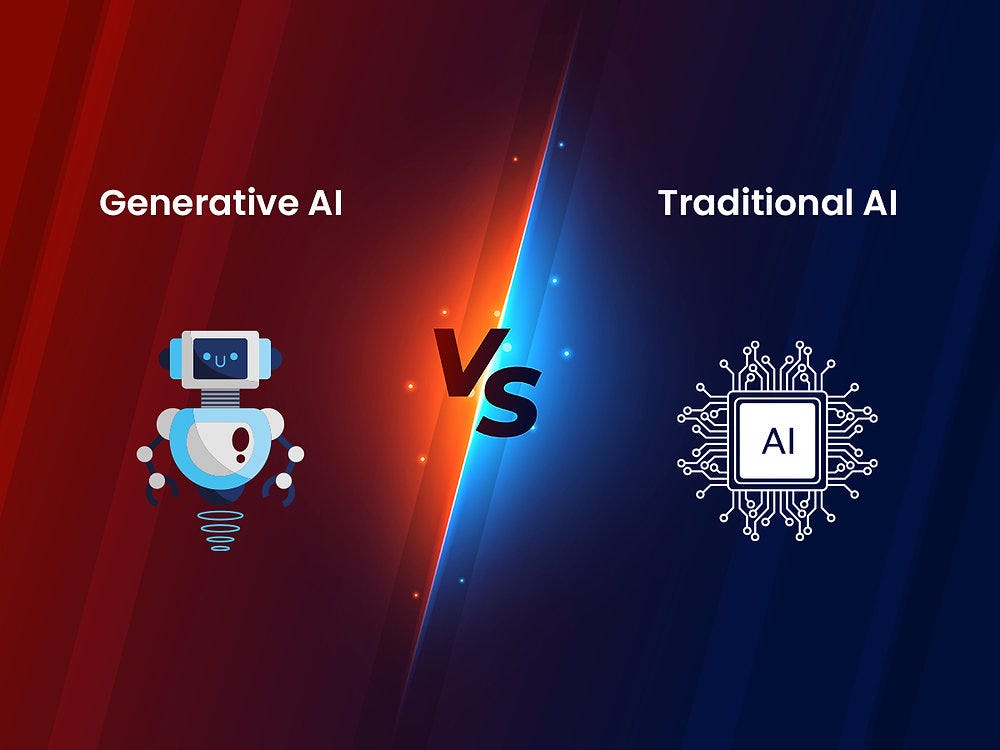
Artificial Intelligence is evolving so fast that even experts sometimes struggle to keep up. New terms appear every month: Gen AI, Agentic AI, Predictive AI, Foundational Models, and many more.
For someone starting their AI journey — or even someone already working in tech — it’s easy to feel overwhelmed.
We hear terms like:
- Generative AI
- Agentic AI
- Autonomous AI
- AI Agents
- LLMs
- Machine Learning
- RAG
- Copilots
But most people don’t truly understand:
👉 How they actually work
👉 What makes them different
👉 When to use which one
👉 And what to learn first
Let’s simplify everything.
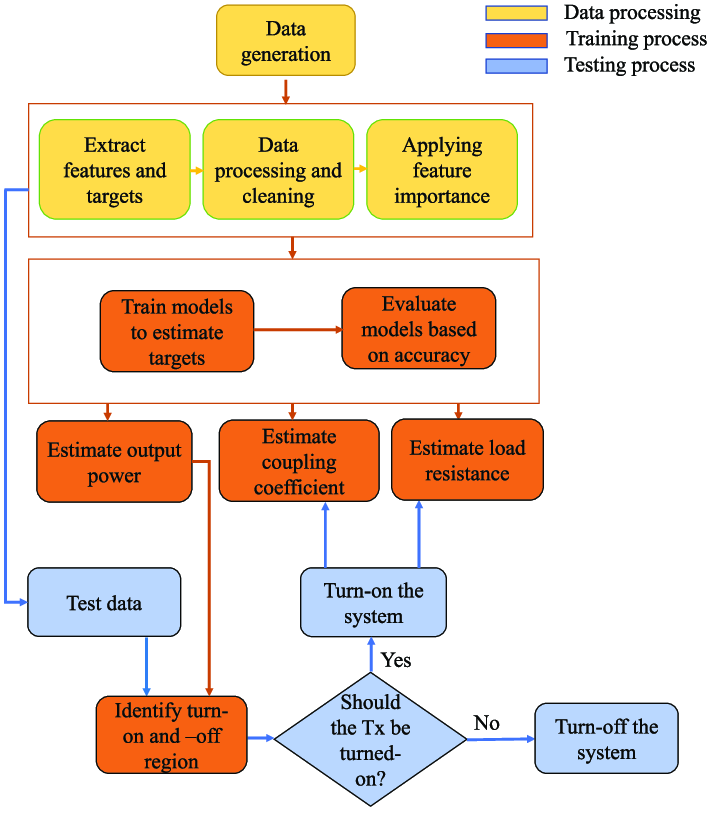
A. Predictive AI (Traditional Machine Learning)
This is the AI most companies have been using for years. It answers very specific questions:
- Will the customer churn?
- What is the credit risk?
What is the predicted demand?
Predictive AI is good at classification, regression, and pattern recognition, but it cannot generate new content or act on its own.
Best for: Finance, analytics, forecasting, retail, operations.
How It Works
- Collect labeled data
- Train a model
- Validate it
- Deploy it
- Model predicts output
It does not create new content.
It only predicts based on patterns it learned.
When to Use It
✅ When you need prediction
✅ When you have structured data
✅ When outcomes are measurable
B. Generative AI (Gen AI)
This is what most people refer to when they say “AI” today.
Gen AI creates new things:
- Text
- Images
- Code
- Reports
- Designs
Models like GPT, Llama, Claude, etc., are all examples of Gen AI.
What Gen AI does well:
- Summarizing
- Explaining complex topics
- Brainstorming ideas
- Writing code
- Drafting emails and documentation
But note:
Gen AI is still reactive — it waits for your instructions. It doesn’t take initiative.
Best for: Creators, analysts, students, developers, business teams.
Massive Data → Train Foundation Model → User Prompt → AI Processing → Generated Content
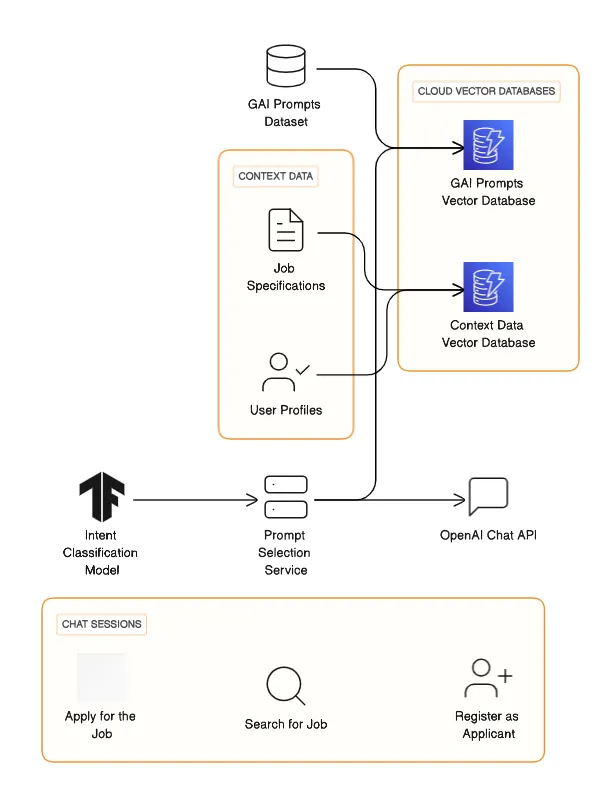
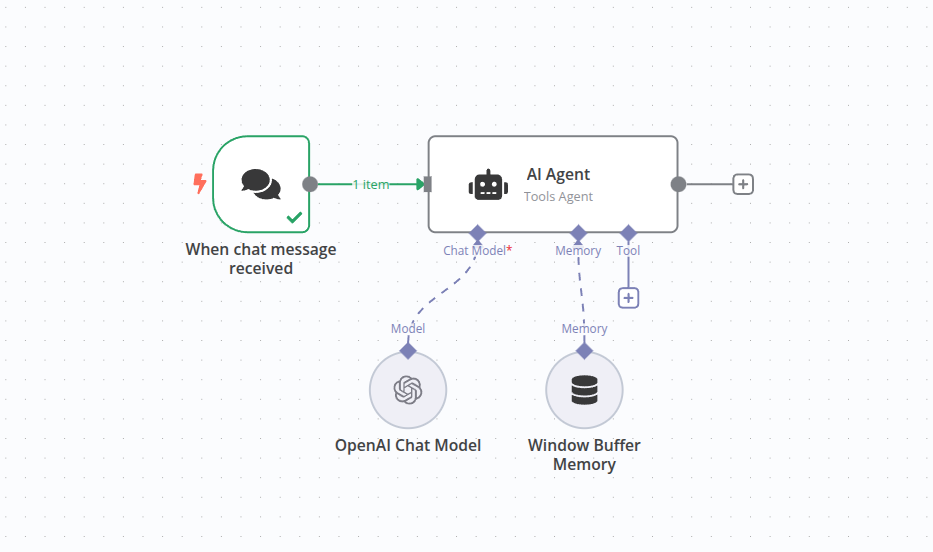
C. Agentic AI (AI Agents)
Agentic AI is the next big leap. Unlike Gen AI, which only responds to prompts, Agentic AI can take action.
Think of an AI intern or digital employee that can:
- Plan tasks
- Make decisions
- Execute steps autonomously
- Use tools or software
- Monitor progress
- Correct itself
Examples:
- An AI agent that books your flights
- An agent that runs testing workflows
- Agents that analyze documents, then update dashboards, then notify teams
- Agents that manage customer support tickets end‑to‑end
Agentic AI = Autonomous, goal-driven, action-taking AI.
This is where the future is heading.
Best for: Automation, operations, DevOps, QA, business workflows, enterprise systems.
User Goal → Agent Reasoning → Plan → Use Tools → Execute → Final Result
2. How to Know Which AI to Choose
A common question people ask is:
“Which AI should I choose when building a product or learning a new skill?”
Here’s a simple rule of thumb.
• Choose Predictive AI if:
You want numbers, probabilities, or forecasts.
Examples: risk scoring, time-series forecasting, anomaly detection.
Historical Data → Feature Engineering → ML Model → Prediction Score → Dashboard / Alert
• Choose Gen AI if:
You want AI to generate content or provide knowledge-driven insights.
Examples: customer replies, documentation, email drafting, coding help.
User Question → LLM → Knowledge Base (RAG) → Generated Response → User
• Choose Agentic AI if:
You want AI to take actions, not just respond.
Examples: autonomous testing, workflow automation, CRM updates, financial reconciliation.
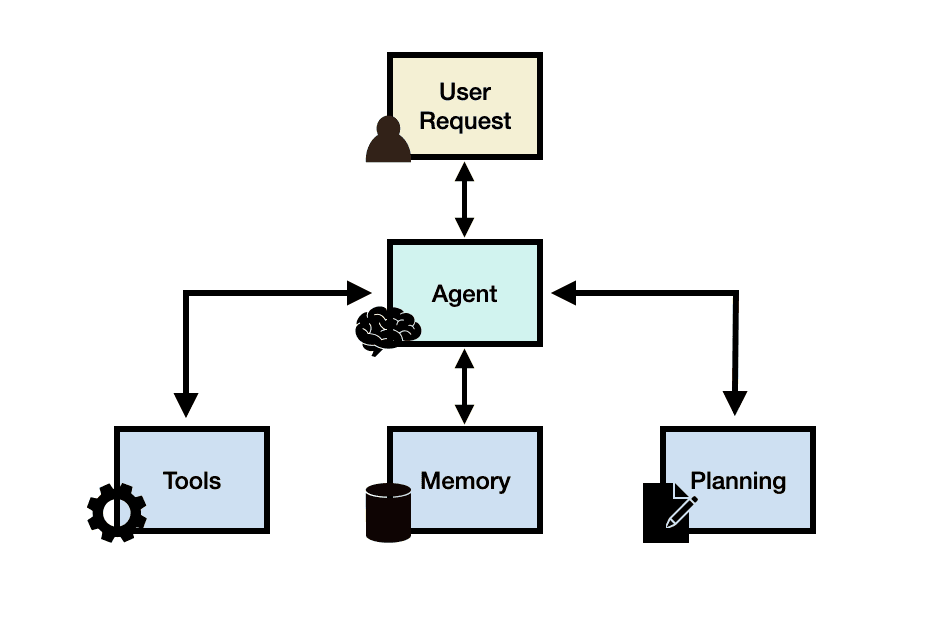
User Goal → Agent (LLM Brain) → Planning → Tool Usage (API / DB / Browser) → Execution → Result
3. How These AIs Actually Work (A Simple Breakdown)
Predictive AI (ML)
- Learns patterns from structured data
- Maps input → output
- Doesn’t “understand” meaning
- Cannot generate new content
Gen AI
- Trained on massive text, code, or image datasets
- Learns relationships between words, sentences, or pixels
- Uses statistical patterns to generate new content
- Can reason “as if” it understands context
Agentic AI
- Uses Gen AI as a “brain”
- Adds memory, tools, decision logic, and feedback loops
- Can connect to apps, APIs, databases
- Can plan, act, evaluate, and improve itself
In short:
Predictive AI = analysis
Gen AI = creation
Agentic AI = action
4. For Beginners: How Should You Start Learning?
If you’re new to AI, don’t jump directly into advanced agent frameworks.
Start with a foundation.
Step 1: Understand the fundamentals
What is ML?
What is Gen AI?
What problem is each model solving?
Step 2: Learn to use Gen AI tools (hands-on)
ChatGPT
Gemini
Claude
Llama
GitHub Copilot
This builds intuition.
Step 3: Learn Prompt Engineering
This helps you interact with AI systems effectively.
Step 4: Learn Applied AI Skills
Vector databases
RAG (Retrieval-Augmented Generation)
Embeddings
Model evaluation
Step 5: Move into Agentic AI
Once comfortable, explore:
LangGraph
AutoGen
CrewAI
OpenAI Agents
Microsoft Autogenics (when available)
This is where future jobs will be.
5. For Professionals: How to Decide What to Build
If you’re already working with AI or building AI tools, use this strategy:
Ask yourself these questions:
- Do I just need insights? → Predictive AI
- Do I need content or explanation? → Gen AI
- Do I need automation and actions? → Agentic AI
- Do I need domain expertise embedded? → Fine-tuned models
- Do I need the AI to learn from company knowledge? → RAG system
This framework helps avoid confusion and prevents overengineering.
Conclusion:
AI is evolving faster than ever, but the truth is simple: not all AI is the same, and not every AI solves the same problem. Predictive AI helps you analyze, Generative AI helps you create, and Agentic AI helps you act. Once you understand these three pillars, the entire AI landscape becomes clearer, and choosing the right approach stops being confusing.
If you’re just starting, begin with the basics — learn how Gen AI works and how LLMs think. If you’re already in the field, focus on choosing the right AI based on the problem, not the hype. And if you’re building for the future, prepare for Agentic AI, because that’s where real automation, intelligence, and impact are heading.
In the next part, we’ll go deeper into the future of AI — how to actually build your own agent, how tools, memory, reasoning loops work, and why understanding these systems will soon become as essential as learning to code.
The world is moving toward intelligent workflows and autonomous systems. With the right foundation, you won’t just follow that future — you’ll help build it.
🚀 Gen AI vs Agentic AI vs Traditional AI was originally published in Agentic AI & GenAI Revolution on Medium, where people are continuing the conversation by highlighting and responding to this story.